
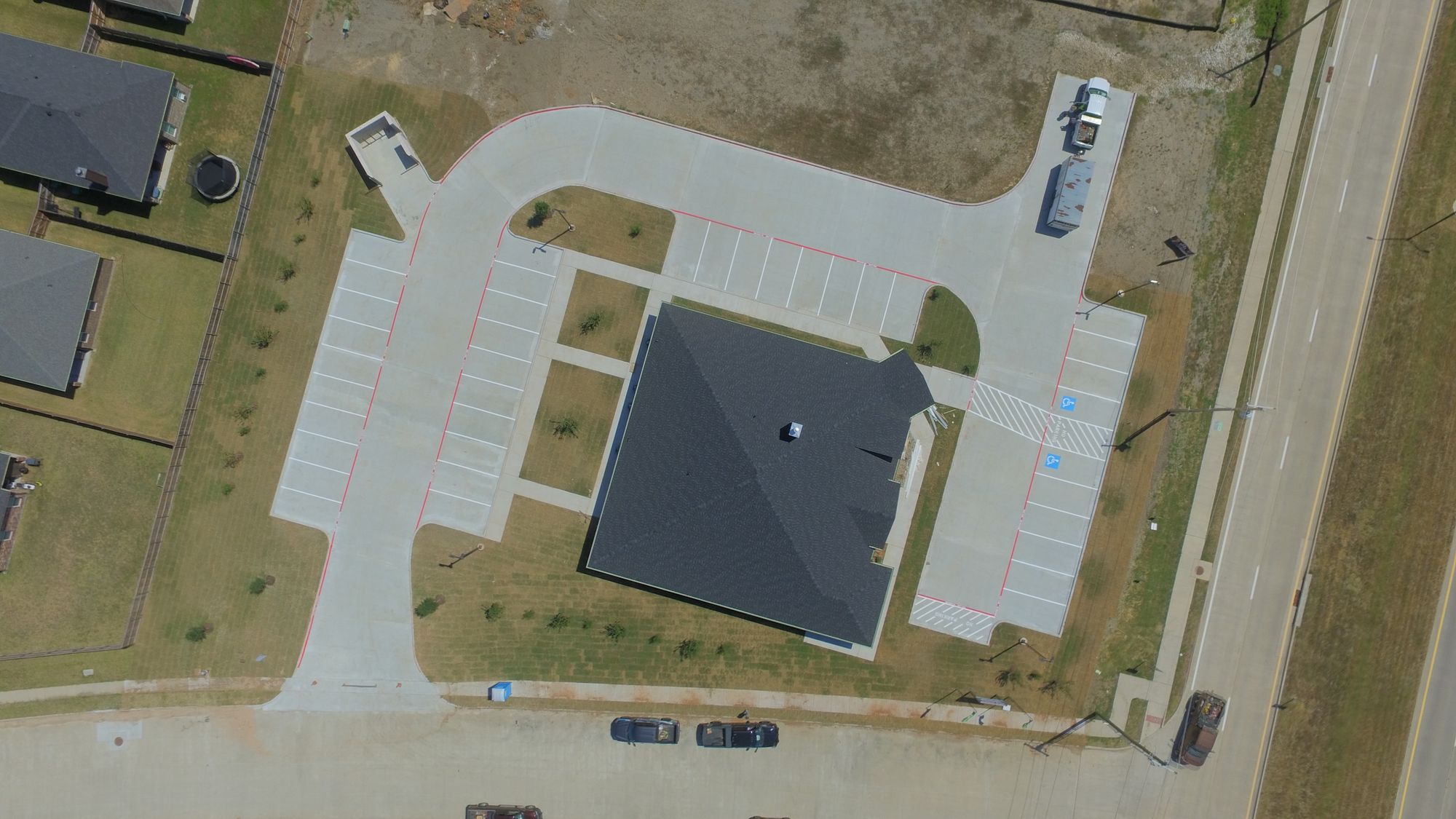
Commercial parking lot markings play a critical role in vehicle movement, pedestrian safety, and property accessibility. Over time, traffic, weather exposure, surface wear, and maintenance activities reduce the visibility of painted lines. Establishing a suitable restriping schedule helps property managers maintain clear traffic patterns, reduce confusion, and support safe access throughout the facility. Professional line striping contractors can assess marking conditions and recommend maintenance based on actual wear rather than relying on a fixed calendar alone.
How Frequently Should a Commercial Parking Lot Be Restriped?
Most commercial parking lots benefit from restriping approximately every one to two years, although the appropriate interval varies with traffic volume, pavement condition, coating quality, and environmental exposure. Some facilities require annual maintenance, while lightly used lots with durable markings may retain adequate visibility for longer.
When planning parking lot striping in Dallas TX projects, property managers should evaluate the condition of existing markings instead of assuming every surface requires repainting at the same interval.
Several factors influence the restriping schedule:
● Traffic volume: High vehicle turnover accelerates wear in parking stalls, entrances, exits, and turning areas.
● Weather exposure: Sunlight, rain, standing water, and temperature fluctuations can contribute to paint degradation.
● Pavement condition: Cracked, deteriorating, or uneven asphalt can affect marking adhesion and durability.
● Coating performance: Different traffic paints and marking materials offer different levels of durability.
● Maintenance activity: Sweeping equipment, pressure washing, and pavement repairs may affect existing markings.
Signs That Your Parking Lot Needs Restriping
A scheduled inspection helps identify fading before it creates operational problems. Property managers should examine markings regularly and arrange repairs when visibility or legibility declines.
1. Faded Parking Stall Lines
Parking spaces become difficult to distinguish when painted lines lose contrast against the pavement. Drivers may park across boundaries, reducing usable space and creating unnecessary congestion. Experienced line striping contractors can determine whether the markings need a complete repaint or targeted touch-ups.
2. Worn Directional Arrows and Stop Lines
Directional arrows, stop bars, and other traffic-control markings guide drivers through entrances, intersections, and exit lanes. When these markings fade, motorists may miss important instructions or make unexpected movements. Maintaining clear parking lot striping in Dallas TX standards for visibility helps reinforce predictable traffic patterns throughout the property.
3. Poorly Visible Accessible Parking Markings
Accessible parking spaces, access aisles, and associated symbols must remain clearly identifiable. Faded markings can make designated spaces and required access areas harder to recognize. Property managers should inspect these markings carefully and ensure maintenance preserves applicable accessibility requirements.
Factors That Determine Your Restriping Schedule
A reliable maintenance schedule accounts for how the parking lot is used, the materials applied, and the condition of the underlying pavement. Property managers should consider these factors when evaluating parking lot striping in Dallas TX maintenance requirements.
Traffic Volume and Vehicle Movement
Parking lots serving shopping centers, medical facilities, office buildings, and distribution properties experience different levels of vehicle activity. Areas near entrances, payment stations, loading zones, and frequently used parking spaces typically experience more wear than low-traffic sections.
High-use facilities may need annual restriping inspections and more frequent repainting in heavily trafficked areas. Line striping contractors can help identify high-wear zones and prioritize maintenance accordingly.
Pavement and Marking Materials
The pavement surface affects how well marking materials adhere. New asphalt, aged asphalt, and concrete can require different surface preparation methods. Applying paint to a contaminated, damp, or deteriorating surface may shorten its service life.
Before scheduling parking lot striping in Dallas TX work, property managers should evaluate pavement condition and select compatible marking materials. Correct surface preparation and application conditions are essential for achieving durable results.
Weather and Environmental Exposure
Ultraviolet radiation can gradually reduce paint color and visibility. Rainwater, drainage problems, and repeated wetting can also affect marking performance, particularly where pavement conditions are poor. Seasonal temperature changes may contribute to pavement deterioration.
Facilities exposed to demanding environmental conditions should monitor marking performance more frequently. Qualified line striping contractors can recommend suitable materials and maintenance intervals based on site conditions.
Why Regular Restriping Matters for Safety?
Restriping is more than a cosmetic improvement. Clear pavement markings help establish predictable movement patterns and communicate how different areas of a property should be used.
Key safety benefits include:
● Improved traffic organization: Clearly marked lanes, arrows, and stop lines help drivers navigate the property.
● Reduced parking confusion: Visible stall boundaries encourage orderly parking and help maximize usable space.
● Better pedestrian awareness: Crosswalks and designated walking routes help communicate where pedestrians may cross vehicle lanes.
● Accessibility support: Properly maintained accessible parking spaces and access aisles help preserve visibility and usability.
● Clearer nighttime navigation: Reflective or high-contrast markings, where specified, can improve recognition under suitable lighting conditions.
Regular inspections and timely parking lot striping in Dallas TX maintenance help property managers identify deteriorating markings before they compromise these functions.
How to Establish an Effective Restriping Plan?
A practical maintenance plan combines routine inspections, condition-based repairs, and scheduled repainting. Instead of waiting until every line becomes difficult to see, property managers should document deterioration and address it before visibility declines significantly.
Follow these steps to build an effective schedule:
- Inspect markings quarterly: Check parking stalls, directional arrows, stop bars, crosswalks, and accessible parking areas. Increase inspection frequency where wear is severe.
- Document deterioration: Photograph faded areas and record locations requiring touch-ups or full restriping.
- Prioritize safety-critical markings: Address worn pedestrian crossings, traffic-control markings, and accessibility-related markings promptly.
- Coordinate with pavement maintenance: Schedule restriping after resurfacing, crack repairs, or sealcoating, once the surface is ready for marking application.
- Review performance annually: Assess how quickly markings deteriorate and adjust the next maintenance interval accordingly.
Working with experienced line striping contractors can help property managers develop a maintenance plan that reflects actual site conditions, material performance, and operational requirements.
Preparing the Surface Before Restriping
Proper preparation directly affects marking durability. Before applying new paint, the surface should be clean, dry, and free of loose debris, oil, and other contaminants that could interfere with adhesion. Existing markings may require removal or correction when they conflict with the intended traffic layout.
Application should also follow the selected material manufacturer's requirements for pavement temperature, drying time, and curing conditions. Traffic should remain off freshly marked areas until the material has developed sufficient durability for use. A professional parking lot striping in Dallas TX service can evaluate these conditions and help prevent premature marking failure.
Conclusion
Commercial parking lots generally need restriping every one to two years, but traffic intensity, pavement condition, weather exposure, and marking materials determine the appropriate interval. Regular inspections help identify fading early, maintain clear traffic patterns, and preserve the visibility of pedestrian routes and accessible parking spaces.
Property managers should treat restriping as part of an ongoing pavement maintenance program rather than a one-time project. By monitoring wear, prioritizing critical markings, and consulting qualified line striping contractors, they can maintain a safer, more organized parking environment while making better use of maintenance budgets.